Creative Contemplation: Creating as a Way to See More Clearly
“Contemplation is the practice of being fully present in heart, mind, and body, to what is, in a way that allows us to creatively respond and work toward what could be.
Only the contemplative mind can bring forward the new consciousness that is needed to awaken a more loving, just, and sustainable world.”
〰️ Fr. Richard Rohr
A big premise of Redeme Studio’s CPR Method™ is the belief that practicing the creative process can translate into learning how to sculpt a better life and world.
Reset your reality.
Creative contemplation is a simple practice of creating while paying attention. It helps us slow down, notice what we are carrying, and see our thoughts with more honesty. When paired with prayer or spiritual reflection, it can become a gentle way to reconnect with truth, clarity, and peace.
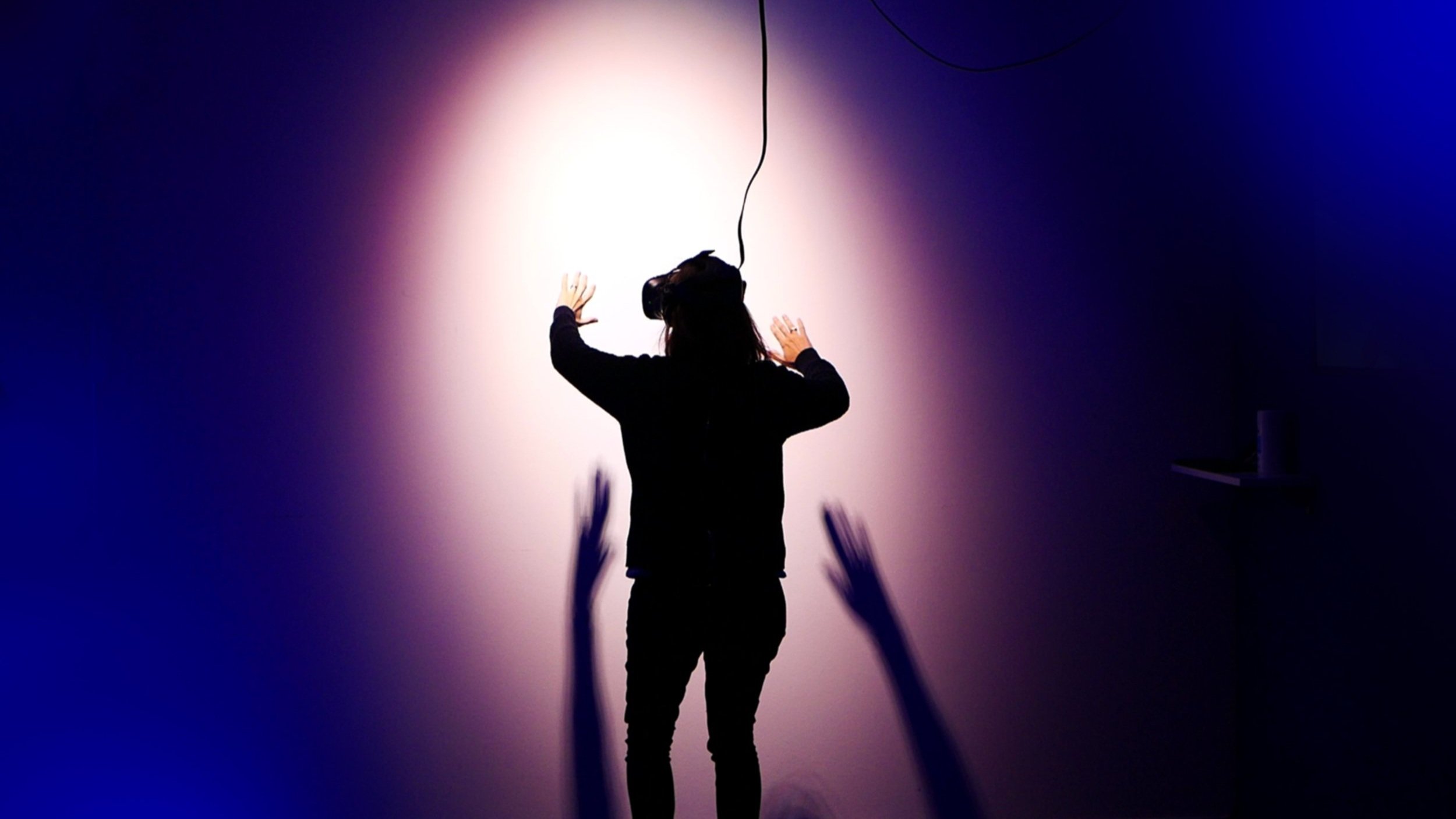
I believe that if we are not practicing any type of contemplative practice, we are living in something like a virtual reality headset much of the time.
In our brain, there are reactions at a neuro-cell level that immediately affect our perception of reality. Here is an example: Thoughts create feelings, and feelings create chemical responses in the brain like the release of cortisol, a stress hormone. Let’s say we are going through our day and we think something is stressful, cortisol and a number of other chemicals are then released into our bloodstream to create a stress response, which affects how we think, feel, and behave.
Creative contemplation helps us slow down, unhook from our thoughts, and see more clearly.
As we create, we begin to notice what is moving through us without treating every feeling or thought as truth. This practice can gently reveal where we have been living from a story that leaves us drained or confused.
When creative practice is joined with spiritual reflection, it becomes a way to pay attention with honesty and care. This is the heart of creative contemplation.
For more on This Topic: Check out Neuroscientist Andrew Newberg’s research. He has captured the brain imagery of monks, nuns and medtators. His theories describe how contemplative practices like prayer allow someone to come to conclusions about reality through means other than immediate sense perception.
The book How God Changes Your Brain: Breakthrough Findings from a Leading Neuroscientist delves into this research.
Types of Creative Contemplation
When we combine creative practice with contemplation it can look like a variety of activities. Here are some of my favorites:
Bilateral Drawing -
Bilateral drawing helps us surrender our mind, as we move our body rhythmically. Our body and mind seek rhythm for comfort. Drawing with both hands, and coming back to rhythmic movement, calms our nervous system and activates our mind in restorative ways.
Lectio Divina -
Latin for “divine reading”, Lectio Divina is a 13th century Christian scriptural reflection and prayer practice that involves reading, meditating, praying, and contemplating a short passage of sacred text.
My Go-to Creative Contemplation Practice
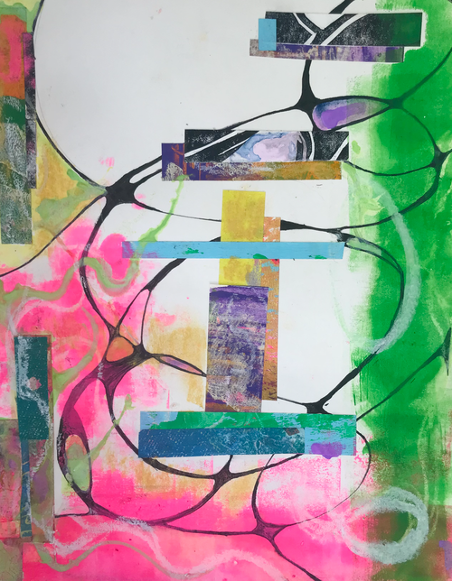
One practice I often use is inspired by Neurographic Drawing, an activity developed by psychologist Pavel Piskarev. I find it calming, accessible, and helpful for gaining clarity. Below are a few examples of how I use it in my own life.
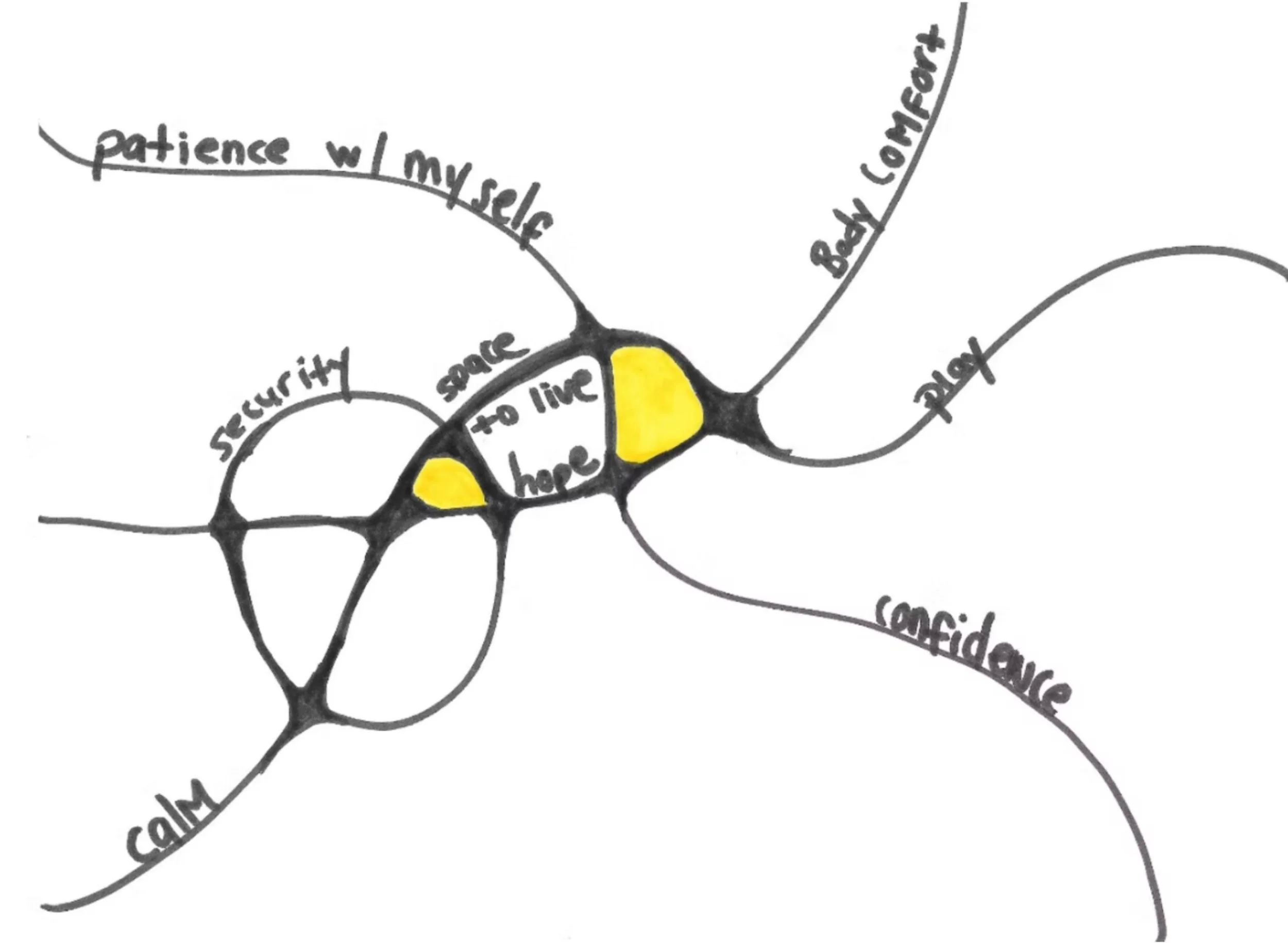
Examples
Closing Thoughts
We are always assigning meaning to what we experience. Sometimes, without realizing it, we build that meaning from fear, habit, or old stories. Creative contemplation gives us a way to pause, notice what is true, and choose a more honest way of seeing.
I’ll leave you with a prayer from one of my favorite authors. As a simple contemplative practice, read it slowly and notice what stands out to you.
“May the reality that I cannot know the whole truth never keep me from bearing witness to what I can and do see. ”
Much love,